Insect control

Browntail moth management in Southern Maine

Browntail moth caterpillars strip trees of their leaves, and their toxic hairs cause a rash like poison ivy. The right treatment at the right time protects your trees and your family.

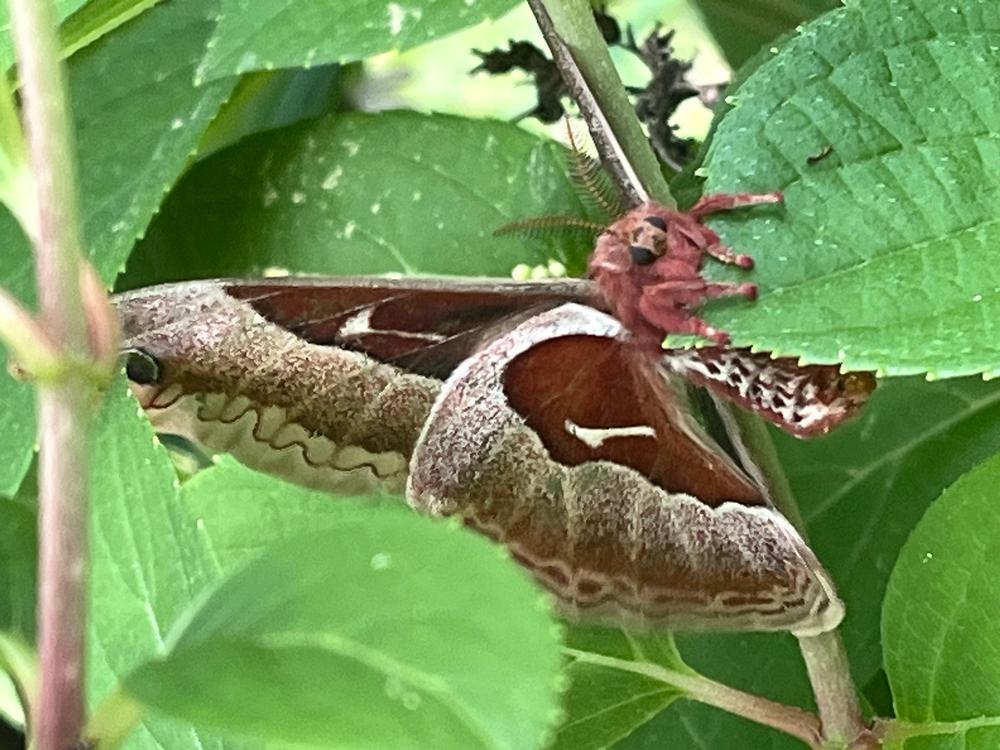
Moth on a leaf in Southern Maine

Browntail moth has been part of Maine’s landscape since the early 1900s, and the state has been in an outbreak phase across a broader area since 2015. Southern Maine and the Midcoast have seen some of the worst infestations.

The caterpillars feed on the leaves of oak, apple, cherry, shadbush and other hardwoods, weakening trees year after year. But the bigger problem for most families is the caterpillars’ microscopic hairs. They break off, drift through the air and settle on lawns, decks and cars, causing an itchy, poison ivy-like rash and, for some people, trouble breathing.

The browntail moth year

  • October to March: winter websYoung caterpillars shelter in silk-wrapped clusters of leaves at the tips of branches. This is the best time to remove them.
  • April to June: feeding seasonCaterpillars emerge, feed heavily on new leaves and shed their toxic hairs.
  • July: moths flyAdult moths emerge and lay eggs, starting the cycle again.

How we manage browntail moth

Fall & winterWeb clippingRemoving and destroying winter webs before the caterpillars emerge. Webs high in trees may need professional equipment.
SpringTree injectionProtects the tree’s leaves from the inside, with nothing sprayed near your home or yard.
As neededTargeted contact treatmentUsed only where it is the safest, most effective option for the site.
OngoingMonitoringChecking treated trees and nearby hosts so populations do not rebuild.
Protect yourself around infested trees.

Wear long sleeves, gloves and eye protection when working near infested trees, avoid raking or mowing on dry, windy days during caterpillar season, and never burn or handle webs with bare hands.

Why call a professional?

Many webs sit at the very tops of tall oaks, well out of reach from the ground, and handling caterpillars or webs puts you in direct contact with the hairs. A licensed applicator can treat the trees that matter most safely and at the right point in the life cycle.
FAQ

Common questions

When is the best time to deal with browntail moth?

Fall through early spring (roughly October to March), when the caterpillars are in their winter webs. Removing webs then prevents the spring feeding and hair shedding.

How long do browntail hairs stay toxic?

The hairs can remain irritating for a long time after they are shed, which is why reducing the caterpillar population matters even after feeding season ends.

Which trees do browntail caterpillars feed on?

Mainly hardwoods such as oak, apple, cherry and shadbush, along with shrubs like beach plum and rugosa rose.

Worried about a tree?

Many tree health problems can be managed when they are caught early. Reach out today for a professional evaluation.