Bacterial leaf scorch (BLS) is a serious, chronic disease of shade trees such as oaks, maples, elms and sycamores. It is caused by the bacterium Xylella fastidiosa, which infects the tree’s water-conducting tissue. As the infection spreads, it restricts the flow of water and nutrients, causing chronic stress and a slow, progressive decline.
Unlike many insect problems, BLS is a systemic disease that affects the entire tree, so it is easy to mistake for drought or simple old age until years of damage have built up.
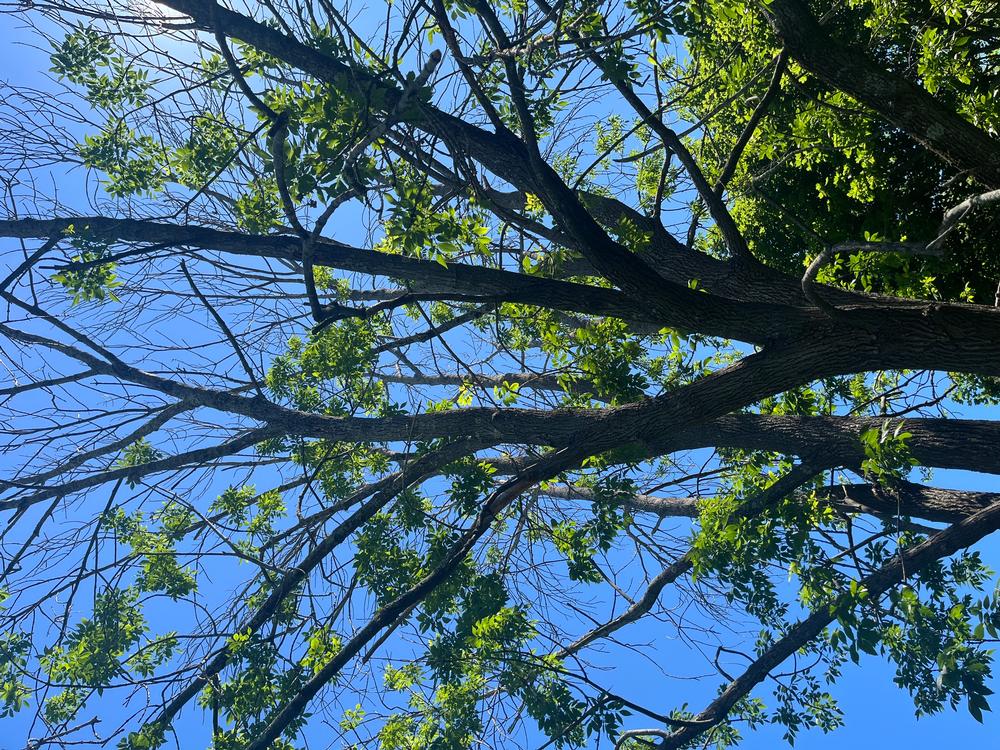
Symptoms of bacterial leaf scorch
Why professional diagnosis matters
Many BLS symptoms look just like drought stress, root problems, soil compaction or other diseases. BLS can only be confirmed with a laboratory test, so getting the diagnosis right is essential before any treatment is recommended. We evaluate:
- Tree species susceptibility
- Symptom patterns
- Site conditions
- Soil and root health
- Environmental stress factors
- Laboratory testing when needed
Managing the disease
There is no simple cure for bacterial leaf scorch, but good management can slow decline and extend a tree’s healthy life. Depending on the tree, that may include treatments to support vigor, soil and root zone improvements, pruning out dead wood and an ongoing monitoring plan. Where a tree has become a safety risk, we will give you an honest recommendation.
Beyond BLS, our assessments look for fungal problems, leaf diseases and other conditions that weaken trees, so you know exactly what you are dealing with.