Proper species selection, site evaluation, planting technique and long-term planning all decide whether a tree thrives for decades or struggles from the start. Tree Medics helps homeowners, businesses and municipalities throughout Southern Maine plant trees that are well suited to our climate, soils and landscapes.
Planting rooted in long-term tree health
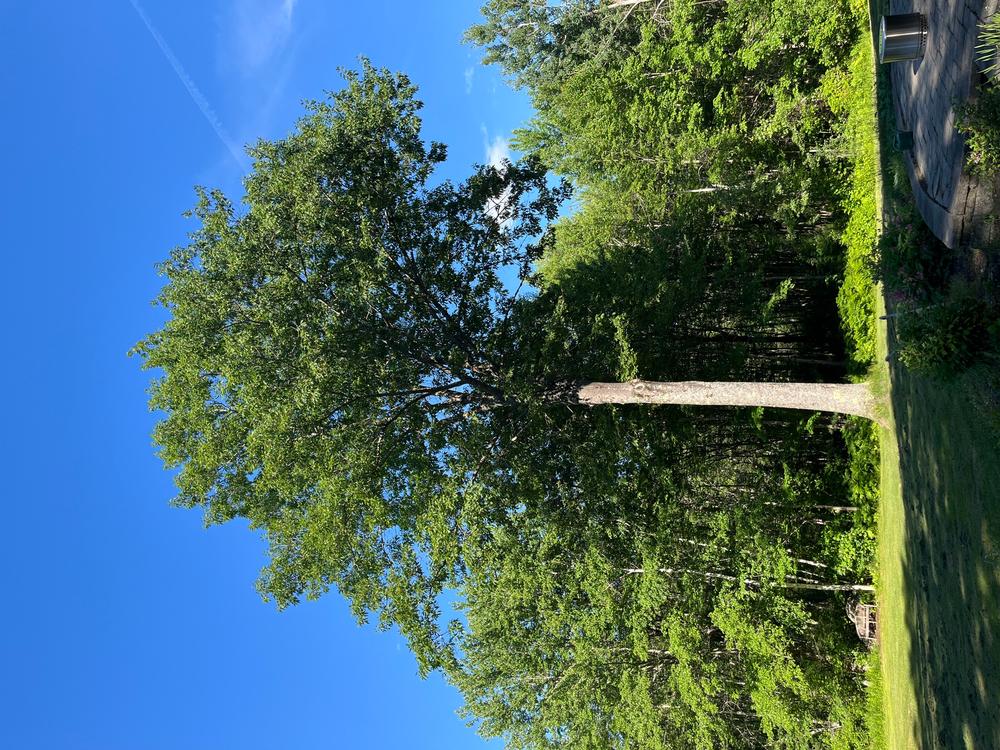
Planting a tree is an investment in your property. Getting it right helps avoid common problems like poor growth, root conflicts, insect susceptibility, storm damage and early decline. We recommend trees that are:
- Suited to Maine’s climate
- Matched to your soil conditions
- The right mature size for the space
- Resistant to local pests and diseases
- Able to thrive for decades
- Valuable for shade, privacy or wildlife
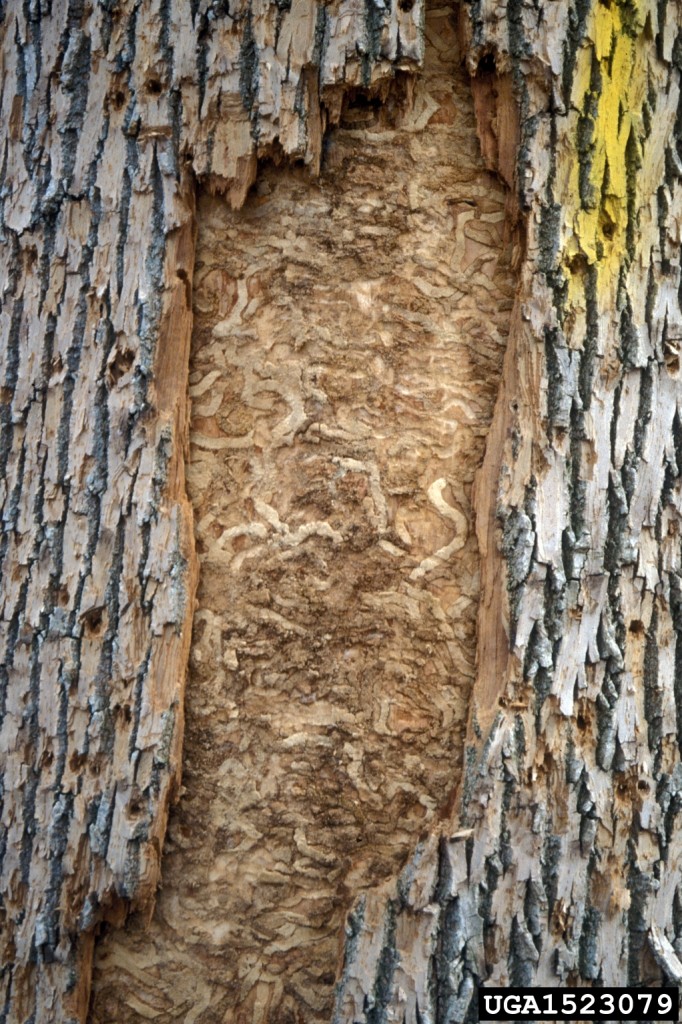
If you have lost ash trees, replacing them with a diverse mix of species helps make your landscape more resilient to the next pest or disease.
The benefits of professional tree planting
Common planting projects
- Replacing trees lost to insects, disease or storms
- Creating natural privacy screens
- Enhancing new landscapes and construction sites
- Long-term planting plans for larger properties and municipalities
How a tree should be planted
- Check for utilitiesMaine law requires anyone using power tools to dig, including homeowners, to premark the area in white and call Dig Safe at 811 three business days ahead.[1]
- Dig wide, not deepThe hole should be two to three times as wide as the root ball, closer to three times in hard soil, and no deeper than the distance from the bottom of the root ball to the trunk flare.[2]
- Set the flare at gradeThe trunk flare should sit at or just above the finished grade.[2]
- Remove the packagingContainers come off, burlap and wire baskets are removed, and fabric grow bags are taken off completely.[2] Circling roots are cut at planting.[3]
- Water while backfillingWater thoroughly after planting and partway through backfilling to remove air pockets.[2]
- Mulch the right wayTwo to four inches of organic mulch in a ring kept at least three inches from the trunk, the “3-3-3” method: three inches deep, three inches from the trunk, in a three-foot ring.[2]
Watering the first season
To check, probe about 12 inches down with a spade and feel the soil. The root ball dries out faster than the soil around it, and the soil should never be soggy.[4]
Mistakes we help you avoid
- Planting too deep or piling mulch against the trunk, which can lead to roots that girdle the tree[3]
- Leaving burlap, wire baskets or fabric bags on the root ball[2]
- Choosing invasive species: Norway maple is on Maine’s list of the ten most invasive plants[5]
- Planting ash in Southern Maine, where all true ash species are susceptible to emerald ash borer[6]
Sources
- Maine Public Utilities Commission: Dig Safe
- Massachusetts DCR Urban and Community Forestry: Tree planting 101
- University of Maryland Extension: Free the flare, maintain a visible root flare for tree health (January 2024)
- UMass Amherst Extension: Watering new plantings (July 2026)
- Maine Natural Areas Program: Maine’s top 10 most invasive plant species, spread and management
- Maine Forest Service: Emerald ash borer